Before the 1894-95 freeze, Rockledge was Florida's citrus capital
From the 1870s through December 1894, Rockledge shipped more Indian River oranges than any other point on the Florida east coast. The freeze ended that. Here's what came before and what survived.
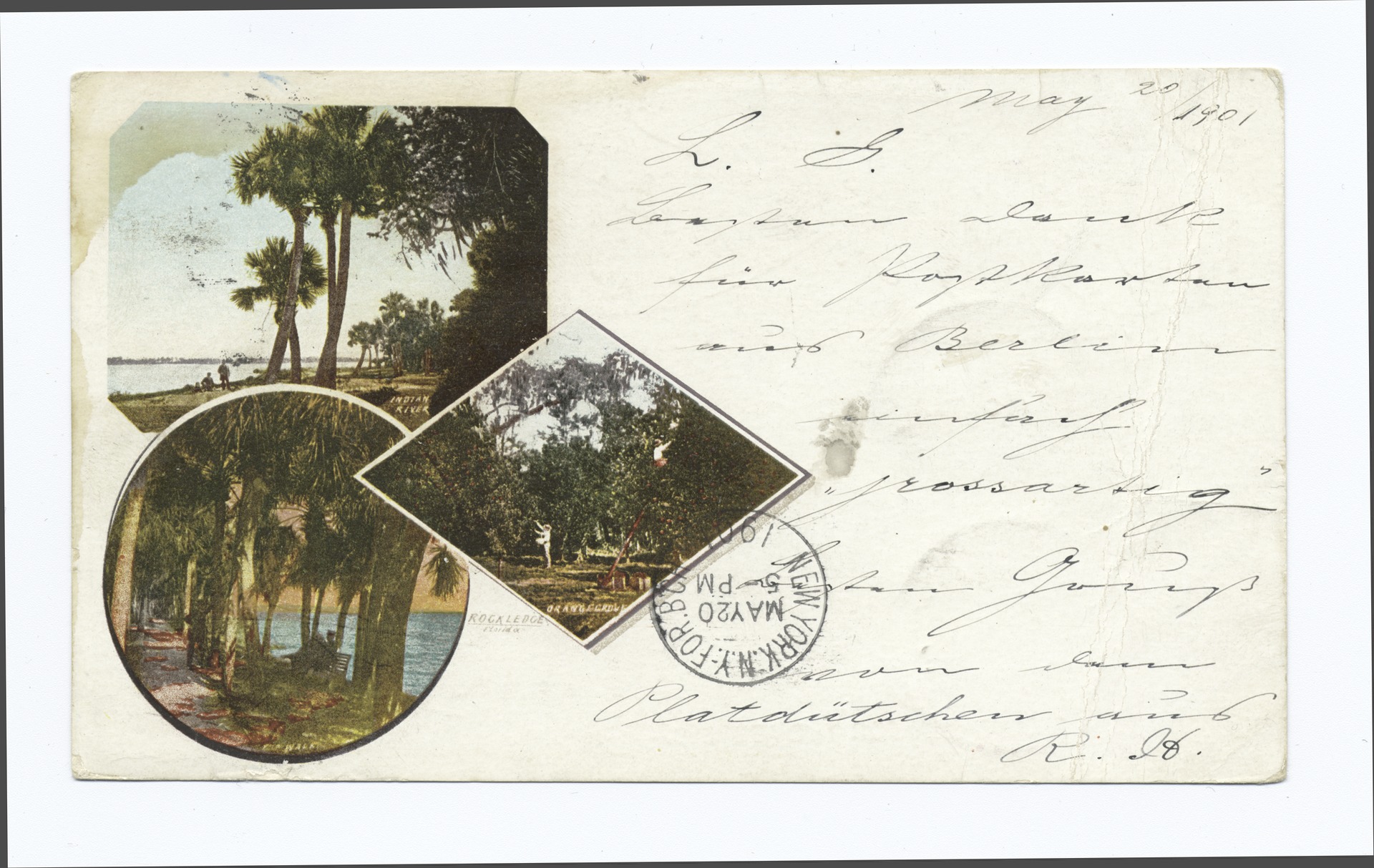
From the 1870s through 1894, Rockledge was the leading citrus-shipping point on the Florida east coast. The 1885 Florida agricultural census recorded more bearing orange trees in the Rockledge precinct than in any other Brevard County precinct, and Rockledge shipping records (those that survive) show that several thousand boxes of oranges left the town each season by steamboat and, after 1893, by FEC freight. Then came the two consecutive freezes of December 29, 1894 and February 7-8, 1895. Together they killed roughly 95% of the citrus trees in central and northern Florida, including nearly every grove at Rockledge. The town never recovered as a citrus capital.
Why Rockledge, before the freeze
Rockledge sat at a productive intersection of three factors: high coquina-ledge ground that was well-drained, mild winter temperatures moderated by the Indian River Lagoon, and steamboat shipping access. From the 1870s, homesteaders planted citrus on the bluff above the river. The Indian River’s salt-tinted estuarine water doesn’t reach the groves, but the lagoon’s thermal mass kept winter low temperatures several degrees above what colder inland Florida saw.
T. Ralph Robinson’s 1899 USDA report on the 1894-95 freezes notes that pre-freeze Indian River oranges commanded a premium price at Northern markets, partly because of perceived flavor advantages and partly because of the early-season harvest dates the warmer climate allowed. Rockledge growers shipped from October through March; competing Florida groves shipped in shorter windows. Indian River fruit was a brand before the freeze.
The growers
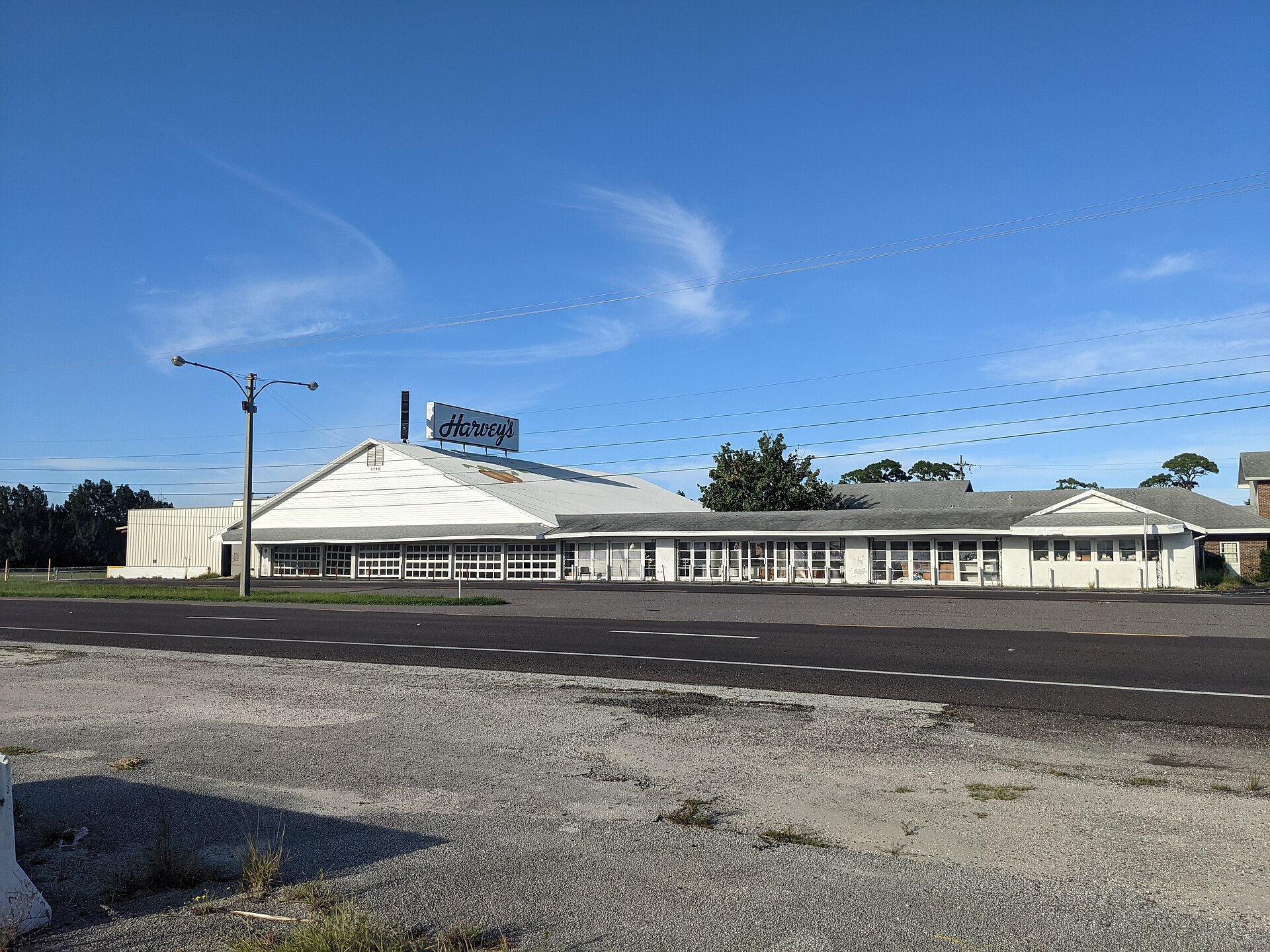
Rockledge’s citrus economy was a mix of small homestead growers (10 to 40 acres) and a few larger commercial operations. Harvey’s Groves, founded in 1888 by James Harvey, grew to a substantial operation. The Williams family operated multiple groves. The Travis estate had its own grove. Dozens of smaller homesteads contributed a few hundred boxes each to the seasonal total. The Brevard County tax records of the 1880s and early 1890s show citrus acreage tax-assessed at considerably higher values than surrounding non-citrus land.
Shipping and value
Pre-1893, oranges left Rockledge by steamboat to Titusville, then by rail to Jacksonville, then north on the Atlantic Coast Line and connecting carriers. Post-1893, the FEC ran direct freight from Rockledge to Jacksonville. The reduction in transit time helped Indian River fruit reach Northern markets in better condition, which sustained the premium pricing.
A box of Indian River oranges in the 1890s wholesale market in New York or Philadelphia brought roughly $2 to $4 depending on grade, season, and market conditions. A single bearing tree could produce 5 to 15 boxes per year. A 20-acre grove with 1,200 bearing trees was a substantial annual income, comparable to a small-town professional’s salary.
The freeze of December 1894
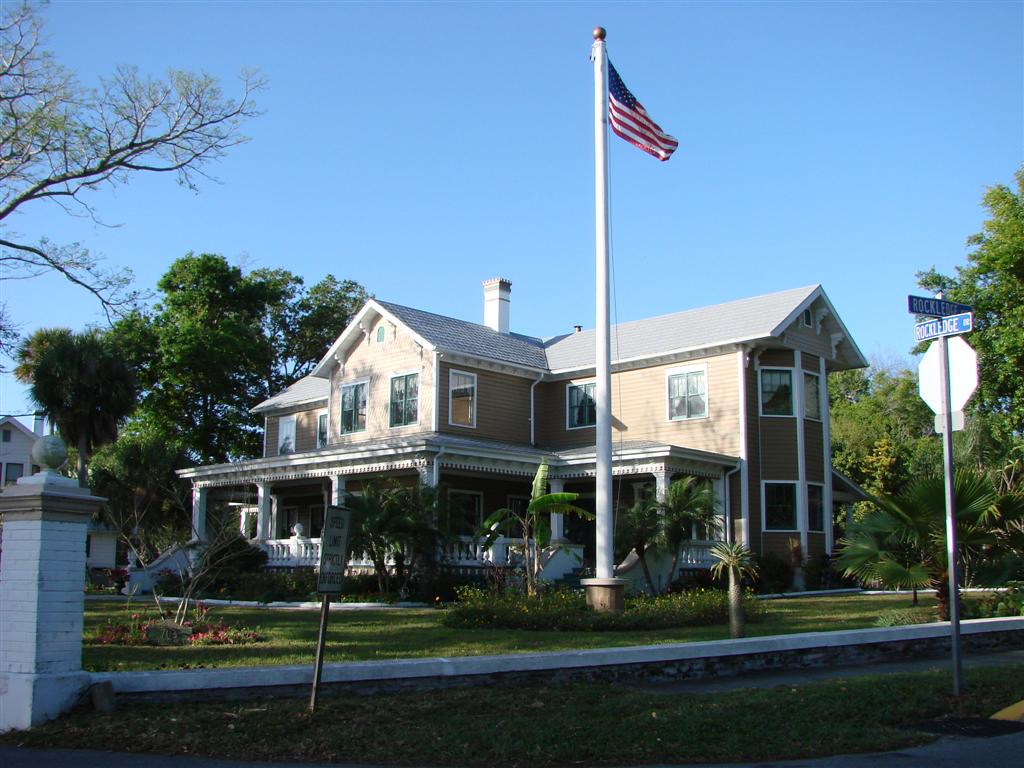
December 29, 1894 brought the first of the two killing freezes. A cold front pushed unusually far south, dropping temperatures to the low 20s and high teens across northern and central Florida. Rockledge recorded 24°F at the local weather station. Citrus trees can withstand a brief dip to the high 20s; sustained temperatures in the low 20s damage bark and kill foliage; teens kill the trees outright.
The December freeze damaged but did not destroy the Rockledge groves. Foliage was burned off, immature fruit was lost, but most trees were still alive when temperatures warmed. Growers spent January and early February assessing damage and waiting for new growth. New foliage began to emerge in early February.
Then came February 7-8, 1895. A second cold front, with temperatures equally severe, hit while the trees were in the most vulnerable post-freeze state. The new tender growth had no defense. Trees that survived December died in February. T. Ralph Robinson’s report estimates that 95% of Florida citrus trees were killed outright by the combination of the two freezes. The Indian River groves, including Rockledge’s, were destroyed.
What this did to Rockledge
The economic shock was immediate. Citrus had been the principal cash crop. The trees needed to be replanted, and a new orange tree takes 5 to 8 years to come into commercial production. Even with immediate replanting (which not every grower could afford), there would be no significant crop for half a decade. Land values dropped. Some growers lost their groves to mortgage foreclosure. Others abandoned and left the state.
The hotel and tourism economy partially cushioned Rockledge from the worst of the freeze impact. The Hotel Indian River was less directly dependent on citrus than on the river-view and winter-climate appeal, and it continued to operate. Winter visitors still came, though some who’d come specifically to see the citrus groves chose other destinations. The town’s incorporated population dropped between the 1890 and 1900 federal censuses, the only decade-over-decade decline in Rockledge’s first hundred years.
What replanted, what didn’t
Some growers replanted immediately. Harvey’s Groves restocked and continued as a citrus operation; it’s still a Rockledge business today, more than a century later, though with a much-changed product mix. The Williams family replanted on a smaller scale. Many smaller homesteaders did not replant, converting their land to other uses or selling it.
The replanted Indian River citrus industry shifted south after the freeze. Growers in Eau Gallie, Melbourne, Vero Beach, and points further south, where the freezes had been less severe, expanded their plantings. By 1910, the new Indian River citrus center was the Vero Beach-Fort Pierce area, not Rockledge. The geographic shift was permanent.
The Indian River brand
The “Indian River” brand for premium Florida citrus survived the freeze. Today the Indian River Citrus League covers the eastern coastal counties from Volusia to Palm Beach, and Indian River grapefruit in particular is sold at a premium against interior Florida fruit. The brand legacy includes Rockledge’s pre-freeze role, even though Rockledge itself is no longer a significant citrus producer.
What’s left in Rockledge
A few mature citrus trees still grow in Rockledge yards, sometimes on lots where commercial groves once stood. The City of Rockledge has a historic-citrus walking-tour pamphlet that identifies some surviving tree groupings. Harvey’s Groves, on Eyster Boulevard, is a working business that traces directly to the 1888 founding and is open for retail citrus sales in season.
The grove acreage itself is mostly gone, converted to residential subdivision through the 20th century. The streets of Rockledge that bear citrus names (Orange Avenue, Lemon Avenue, Citrus Drive) were laid out along what were once active groves.
Sources
- T. Ralph Robinson, The Florida Freezes of 1894 and 1895 (USDA Bureau of Plant Industry, 1899)
- Florida Citrus Mutual, historical records, flcitrusmutual.com
- Jerrell H. Shofner, Brevard County, Florida: An Illustrated History (Donning Company, 1995)
- Brevard County tax assessor records, 1885-1900 (Brevard County Clerk of Courts archive)
- Harvey’s Groves institutional history, Rockledge, Florida
- The Florida Star (Titusville), citrus shipping coverage 1885-1900, Chronicling America
Further Reading
As an Amazon Associate we earn from qualifying purchases.