Black community history in Rockledge: settlements, churches, schools, 1880s to today
Rockledge's Black community dates to the 1880s, with families who arrived as homesteaders, hotel workers, and citrus laborers. Macedonia Missionary Baptist Church, founded 1890s. The Rockledge Negro School, segregation, integration, and the surviving institutions.
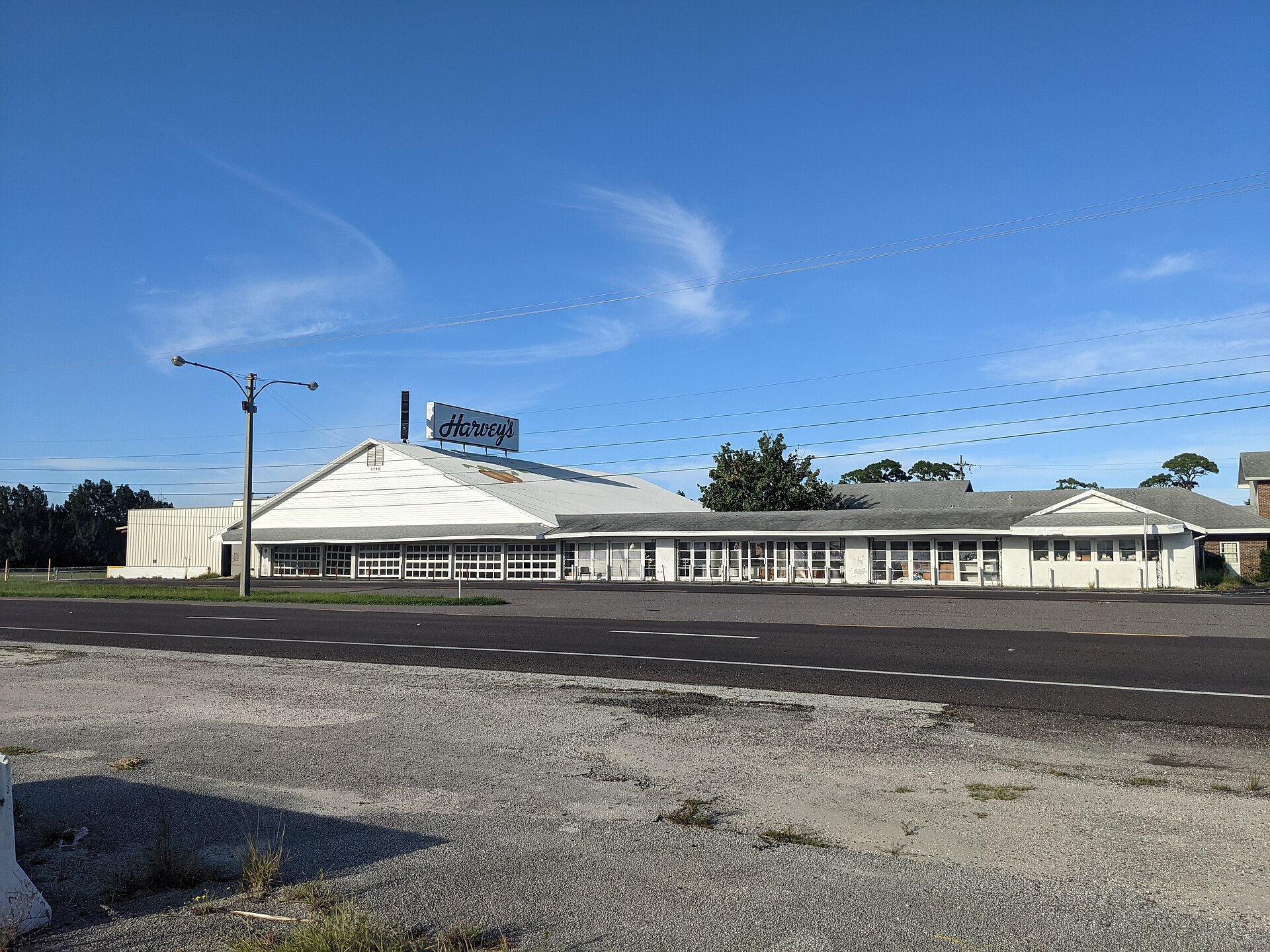
Rockledge’s Black community is older than the city’s incorporation. By the 1880 federal census, the Rockledge precinct counted at least 18 residents identified as “Black” or “Mulatto,” roughly one in five of the total population. They were homesteaders, citrus workers, and a small number of skilled tradesmen. After the Hotel Indian River opened in 1888, the resident population grew rapidly with arrivals to staff the hotel: cooks, waiters, laundresses, gardeners, porters, maids. By 1900, the federal census recorded 156 Black residents in Rockledge, roughly a third of the total.
The earliest residents
The 1880 census enumerator for the Rockledge precinct recorded names that recur in later records: families named Robinson, Henderson, Williams, Brown, Carter. Some had come from Georgia and the Carolinas after Reconstruction. A few were Florida-born; the older generation included residents born into slavery in the 1840s and 1850s. The 1885 Florida state census, taken at midpoint between federal censuses, captured similar demographic patterns.
Homesteading was the entry path for several families. The Homestead Act of 1862 was still in effect, and a Florida homesteader could file on 160 acres of public land at minimal cost. Several Black Rockledge homesteaders filed in the 1870s and 1880s on land west of what’s now U.S. 1, away from the high-value riverfront where white owners concentrated. Some of those original homestead parcels stayed in the same families through the 20th century.
The hotel-era workforce
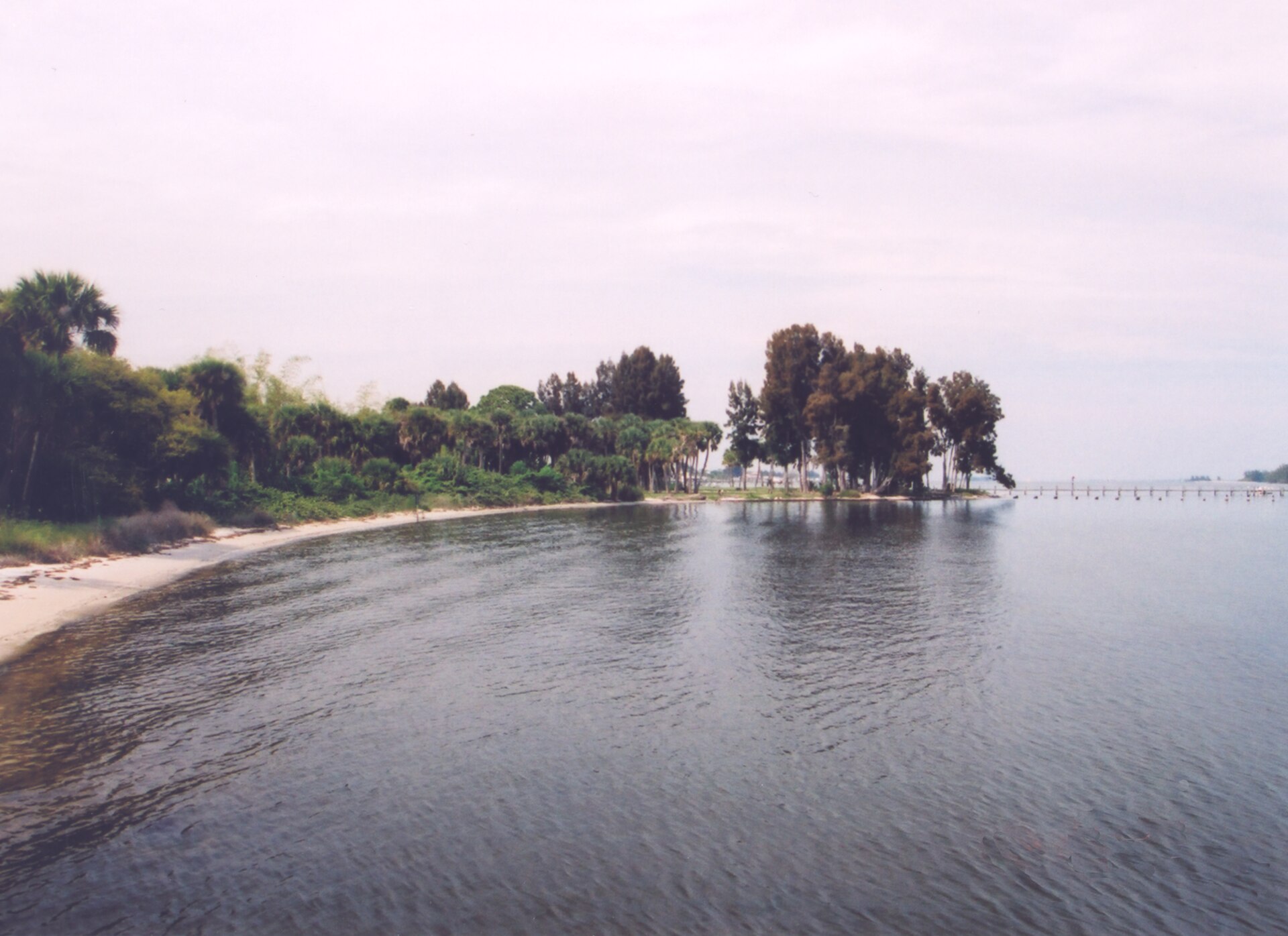
The Hotel Indian River, like every Gilded Age Florida hotel, ran on Black labor. The 1900 and 1910 census enumerations of Rockledge list occupations for Black residents: hotel cook, hotel waiter, hotel laundress, hotel porter, hotel chambermaid, hotel gardener. The hotel paid workers; the wages were low by Northern standards but competitive within the Florida labor market of the period.
Many hotel workers lived in dormitory housing on the hotel grounds during winter season and moved to family homes elsewhere in Rockledge or in nearby Cocoa for the off-season. A core of year-round Black residents kept boarding houses, restaurants serving Black travelers (who could not be served at the Hotel Indian River dining room under segregation), and small businesses that served both the Black community and white residents needing trades.
Macedonia Missionary Baptist Church
Macedonia Missionary Baptist Church, the oldest continuously operating Black church in Rockledge, was organized in the 1890s. The original wooden church building stood on a parcel west of U.S. 1; a later building replaced it in the 1920s, and the current building dates to a mid-20th-century construction. Macedonia’s records, held at the church, document its founding members and early pastors.
A second Black congregation, Saint Paul AME (African Methodist Episcopal), organized later, with its building also west of U.S. 1. Several smaller Baptist and Methodist congregations came and went over the decades, some merging into Macedonia or Saint Paul.
The Rockledge Negro School
Under Florida’s segregated public school system, Black children in Rockledge attended a separate school. The earliest reference appears in the 1900 Brevard County school superintendent’s annual report, which lists a “Rockledge Negro School” with an enrollment of about 35 students and a single teacher. The school operated in a small wooden building on a parcel donated by a Black landowner; later it was relocated to a larger facility in the 1920s.
The school continued under segregation through the 1960s. Brevard County integrated its public schools beginning in 1965 (the same year as the Brevard County v. United States case in the federal district court that ordered desegregation under Brown v. Board of Education enforcement). Full integration of Rockledge schools came in 1969-70. The Rockledge Negro School building was repurposed as a community center and later demolished.
The 20th-century community
Through the 20th century, the Rockledge Black community concentrated west of U.S. 1, in the neighborhoods that grew around Macedonia Baptist and the Rockledge Negro School. Property records from the 1920s through the 1960s show consistent Black ownership patterns: small lots, modest frame houses, owner-occupied. Some of those families are still in the same neighborhoods, some left during the 20th-century Great Migration to Northern industrial cities, some moved within Florida.
The Rockledge Black community was relatively stable compared to some Florida cities, in part because the segregated employment economy provided steady (if poorly paid) work at the hotels and citrus packing houses, and in part because property ownership patterns gave families durable roots. The 1894-95 freeze hit Black citrus workers hard, as it hit everyone, but didn’t displace the community.
Civil rights era
Rockledge during the 1950s and 1960s saw the same kinds of civil rights organizing that occurred across Brevard County and Florida. The NAACP had an active Brevard County chapter (organized in the 1940s, with Rockledge members participating). Local civil rights organizing focused on school integration, voter registration, and access to public facilities. The Brevard County NAACP records (some at the State Archives, some at the FAMU Black Archives in Tallahassee) document Rockledge activists and meetings.
A few Rockledge events made the local Black-press coverage of the period: a 1962 voter registration drive, the 1965 school integration filings, a 1968 protest over hiring at the new bank built on the Hotel Indian River site. The protests were modest in scale by national standards but consistent with broader Florida civil rights activity.
What survives
Macedonia Missionary Baptist Church is still active, with a regular congregation and an institutional history that’s been preserved at the church. Several of the original Black homestead parcels still have descendants of the original families. Saint Paul AME continues to operate.
The Rockledge Negro School building is gone, but the parcel where it stood is identified in city records. The Brevard Museum of History and Natural Science in Cocoa includes some material from Rockledge’s segregation-era Black community in its general collection.
What we don’t have
The full story of the Rockledge Black community is under-documented in white-press historical sources. The standard published histories of Rockledge, including Jerrell Shofner’s 1995 county history, give limited coverage. Better sources exist but require digging: church records (Macedonia, Saint Paul), oral histories (some collected by the Brevard County Historical Society, some unrecorded), census enumerations, NAACP records, and the FAMU Black Archives.
The most thorough single account of Black history along the Indian River is probably Patricia Buchanan’s Some Aspects of Black History in the Indian River Country (FIT, 1972), an early attempt at synthesis that’s now dated but remains useful. A more recent treatment by Adrian Joseph, Black Brevard: An Oral History (Brevard Community College Press, 2005), draws on dozens of interviews including several Rockledge residents.
Further Reading
- Florida: A Short History by Michael Gannon
- The Highwaymen: Florida’s African-American Landscape Painters by Gary Monroe
- A Land Remembered by Patrick D. Smith
Sources
- U.S. Federal Census, Rockledge precinct enumerations, 1880-1940, archives.gov/research/census
- Macedonia Missionary Baptist Church, institutional records (Rockledge)
- Patricia Buchanan, Some Aspects of Black History in the Indian River Country (Florida Institute of Technology, 1972)
- Adrian Joseph, Black Brevard: An Oral History (Brevard Community College Press, 2005)
- Florida A&M University Black Archives, Research Center and Museum (Tallahassee)
- Brevard County School Superintendent annual reports, 1900-1970 (Brevard County School District archives)
- NAACP Brevard County chapter records (partial collection, Florida State Archives)
As an Amazon Associate we earn from qualifying purchases.