The 1968 demolition of the Hotel Indian River: why Brevard's grandest hotel came down
Atlantic National Bank bought the closed Hotel Indian River in 1968 and demolished it for a branch and parking lot. Why preservation failed: no NRHP listing, no local protection, eight years before the modern preservation movement reached Brevard.
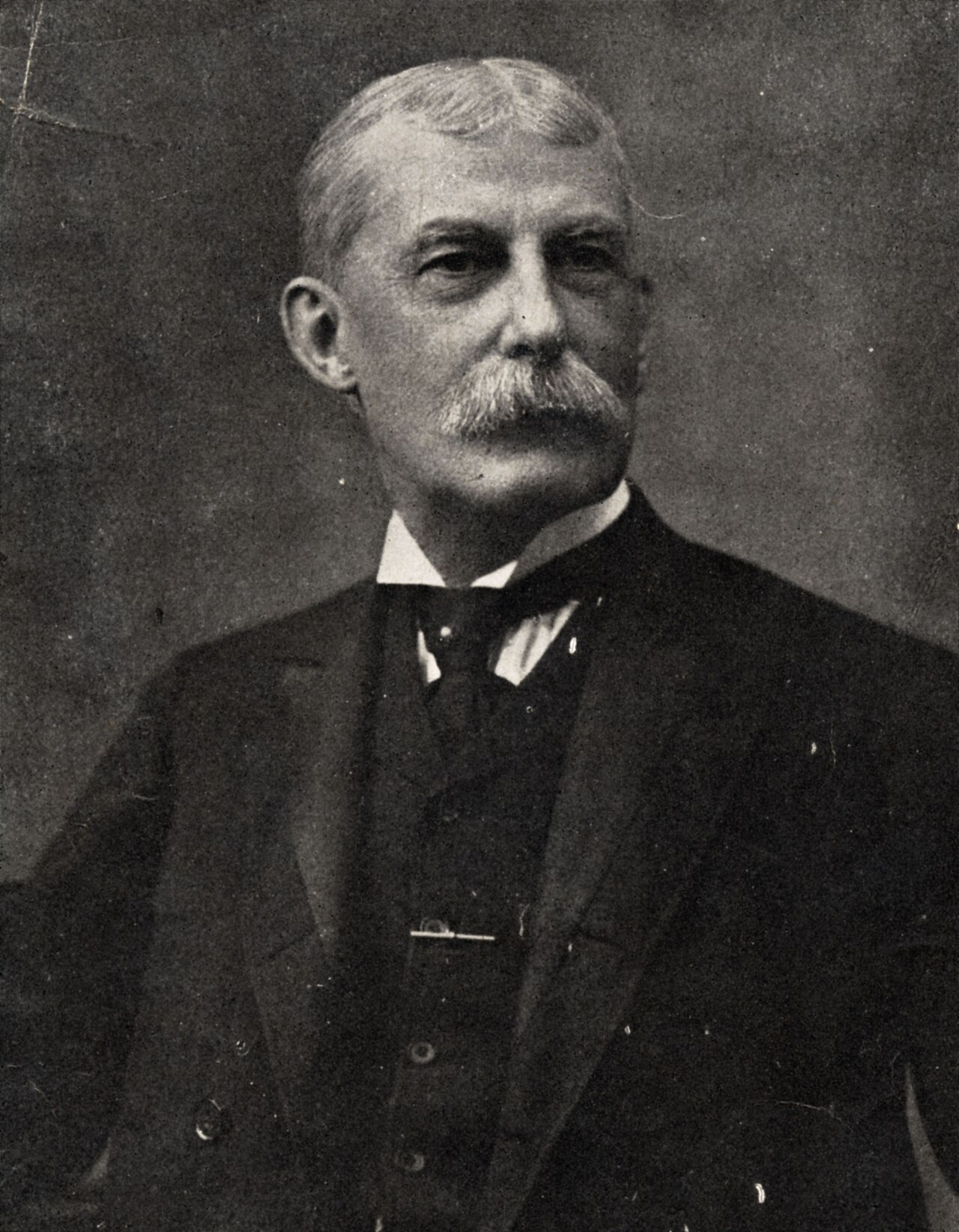
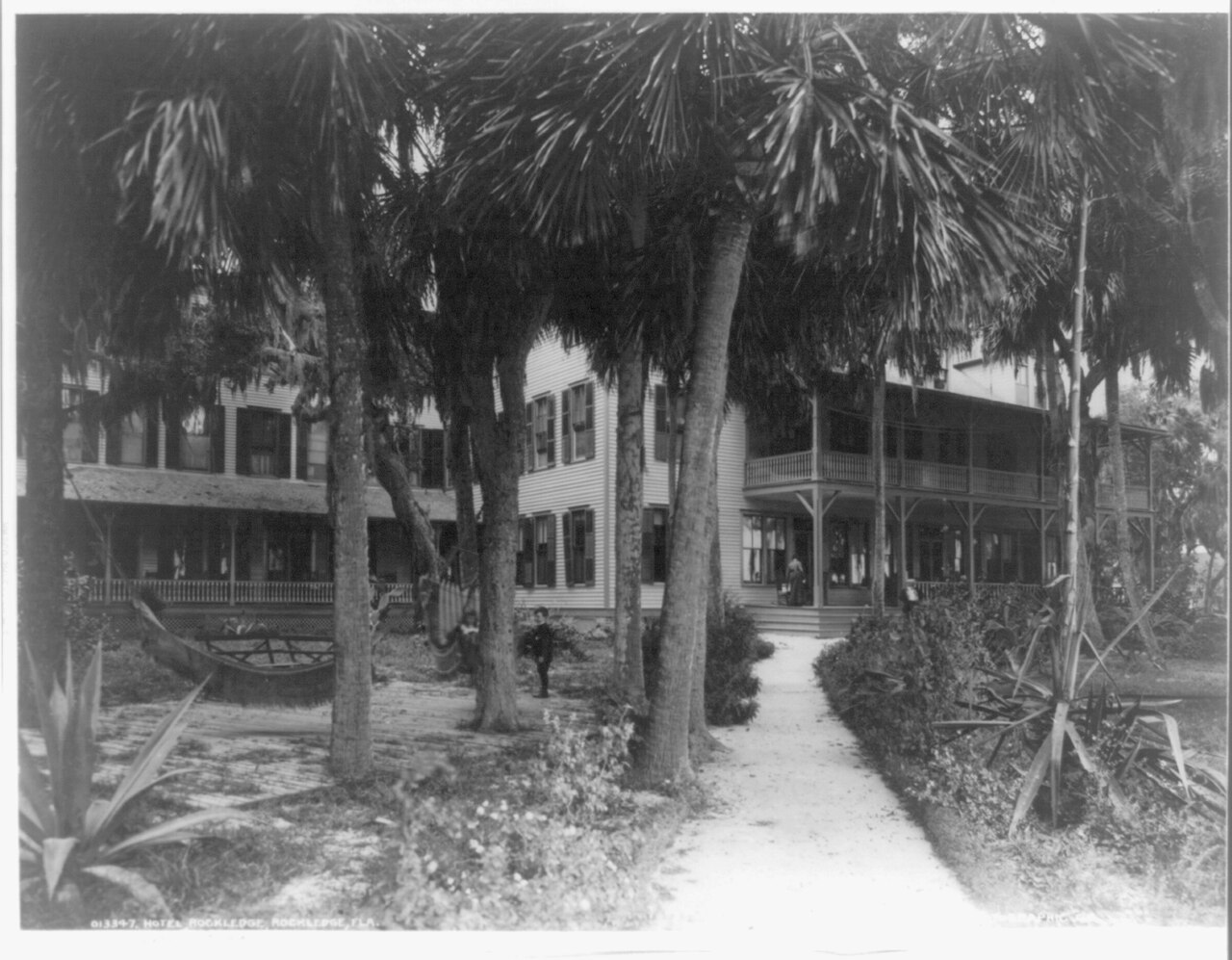
The Hotel Indian River was demolished in October 1968 to make way for a branch of Atlantic National Bank and its parking lot. The decision had no zoning or preservation barrier: no National Register listing existed (the Rockledge Drive Historic District wouldn’t be listed until 1990), no local landmark ordinance protected the hotel, the city had no historic-preservation review process. The owner had a clear-and-build permit and used it. Florida Today’s front-page headline on October 12, 1968 read “Last of an Era: Hotel Indian River Comes Down.”
The decade leading up to it
The hotel had closed in 1959 after a long decline. Multiple reuse proposals failed: a retirement home, a conference center, an apartment conversion, a museum. None secured financing. The owners (a small Rockledge corporation that had operated the hotel since the 1930s) had carrying costs and no income from the property. By 1965 the building was uninhabitable and posed a fire hazard the city wanted addressed.
The 1968 sale to Atlantic National Bank resolved the owners’ problem. The price was modest by 1968 standards, reflecting the cost of demolition the bank would have to bear. The bank’s announced plan was a new branch building, parking, and frontage on U.S. 1.
The opposition
A small group opposed the demolition. The Brevard County Historical Society (founded 1965, just three years before) was one source. Several Rockledge Drive residents whose families had personal connections to the hotel were another. A few preservation-minded local architects and historians joined the effort. They produced petitions, met with the bank, met with the city, and proposed alternatives.
The proposals went nowhere. The bank wanted the parcel for a branch, not for a renovated historic hotel. The city had no legal mechanism to require the bank to preserve the structure. There was no eminent-domain pathway, no transferable development right scheme, no facade easement program. By 1968, the only thing that could have saved the hotel was a buyer with deeper pockets than the bank, willing to undertake the restoration. There wasn’t one.
The federal context
The National Historic Preservation Act of 1966 had been signed into law just two years before. The National Register of Historic Places was still being organized. Section 106 of the NHPA, which requires federal review of effects on historic properties, applied only to federally-funded or federally-permitted projects, which the bank’s purchase and demolition were not. The Tax Reform Act of 1976, which would later create the federal historic rehabilitation tax credit, was eight years in the future.
Rockledge had no local preservation ordinance and no historic district. The Florida Division of Historical Resources existed but had no regulatory authority over private demolitions.
In short: 1968 was the trough year for preservation in Florida. Most of the legal infrastructure that would later prevent comparable demolitions did not yet exist. The Hotel Indian River was one of dozens of Gilded Age Florida hotels lost between 1955 and 1985, all under similar legal and economic conditions.
What was lost
The Hotel Indian River was the most significant remaining Gilded Age hotel in Brevard County and one of the larger surviving 1880s wood-frame hotels in Florida. Its 1888 opening, eighty-year run, and 1968 demolition span the full arc of Florida Gilded Age tourism. The interior contained period millwork, fireplaces, stained glass, and original furnishings that had survived multiple ownership changes.
Some interior elements were salvaged before demolition. A few fireplaces and stained-glass windows ended up in private Rockledge Drive houses. A small collection of items, including hardware, doorknobs, and a section of carved staircase newel post, is at the Brevard Museum of History and Natural Science in Cocoa. Most of the building’s contents were destroyed with the structure.
The bank building today
The Atlantic National Bank branch that replaced the hotel was acquired through bank mergers: Atlantic was absorbed by Barnett Bank in the 1980s, Barnett by NationsBank in 1997, NationsBank by Bank of America in 1998. The branch building on the former hotel site is now a Bank of America branch. The 1968 structure has been remodeled multiple times. It is a one-story commercial building of no architectural distinction.
The historical marker installed in 1995 by the Rockledge Historical Commission identifies the site as the former hotel. It’s at the corner of Riverside Drive and Barton Avenue, on the river-facing side of the parcel. The marker has a bronze plate with the hotel’s dates, a brief history, and an etched photograph.
What the loss taught Rockledge
The 1968 demolition was followed in subsequent years by smaller losses of other Rockledge historic structures, mostly residential. The accumulating losses, combined with growing national preservation awareness in the 1970s and 1980s, eventually generated local political support for the 1990 NRHP nomination and the subsequent city historic-overlay zoning. Rockledge is unlikely ever to lose another structure of the Hotel Indian River’s significance because the legal infrastructure that didn’t exist in 1968 now does.
That doesn’t recover the hotel. The 1968 decision is fixed. The bank parking lot is still where the hotel stood. The Gilded Age tourism era ended for Rockledge with the hotel’s demolition; what survives is a residential historic district and a single bronze plate on a corner.
1968 as a hinge year for FEC corridor demolitions
The Hotel Indian River came down the same year the Florida East Coast Railway ended passenger service. FEC passenger trains ran their last scheduled runs on July 31, 1968, after a labor dispute that had begun in 1963 and persisted for most of a generation. The end of passenger service eliminated the through-business that had supplied the original Rockledge tourism economy and, by extension, the late-arriving final guests of any restored Hotel Indian River. The bank’s economic calculation about the hotel parcel was made inside the context of a Brevard County losing its rail-passenger connections to the Northeast at the same time.
Similar Gilded-Age Florida hotels along the FEC corridor came down in the same era. The Royal Poinciana at Palm Beach had been demolished in 1935. The Hotel Ormond was demolished in 1992. The St. Augustine Hotel Ponce de Leon survived only because Flagler College acquired and adapted it in 1968 — the same year Rockledge lost the Hotel Indian River. Of the dozen-plus major Flagler-era hotels that defined east-coast Florida tourism between 1885 and 1925, fewer than four survive as recognizable historic structures. The Hotel Indian River is one of the lost majority.
Further Reading
- Flagler: Rockefeller Partner and Florida Baron by Edward N. Akin
- Florida: A Short History by Michael Gannon
Sources
- Florida Today archive, October 1968 coverage of the demolition (microfilm at the Brevard County Library, Cocoa branch)
- Brevard County Historical Society, oral history interviews on the Hotel Indian River, collected 1985-1995
- Rockledge Historical Commission, 1995 marker file (City of Rockledge clerk’s archive)
- The National Historic Preservation Act of 1966 (P.L. 89-665), full text and legislative history, achp.gov/nhpa
- Florida Memory Project, Hotel Indian River photographic file, including demolition-era photographs, floridamemory.com
As an Amazon Associate we earn from qualifying purchases.